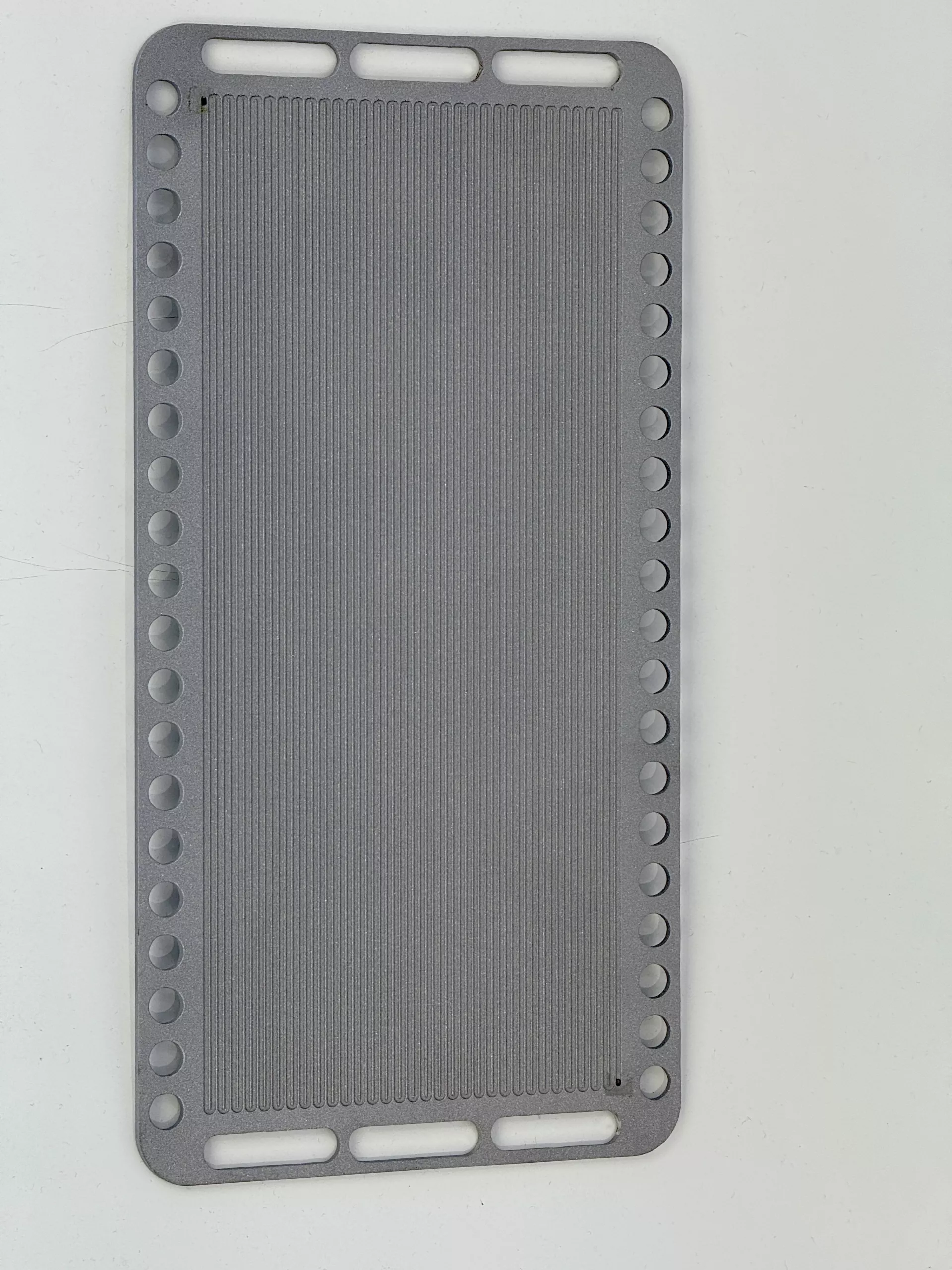
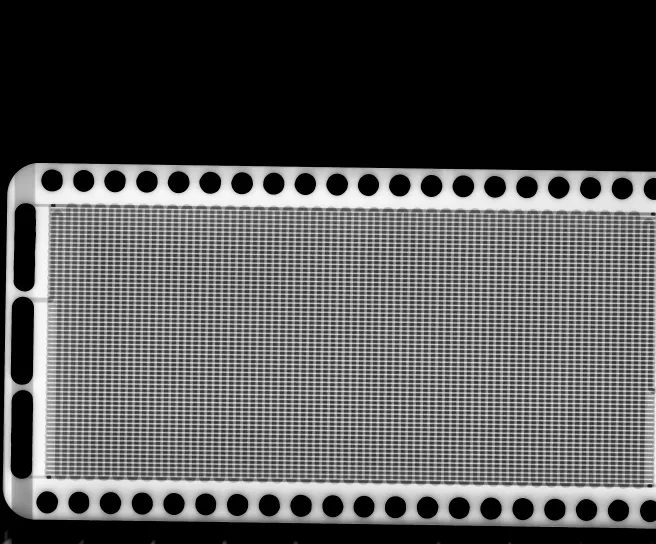
Unlike conventional forming processes, additive manufacturing does not require dedicated forming dies. This allows channel geometries to be adapted more readily, reducing upfront tooling requirements and enabling faster design iterations.
For Borit, this creates interesting opportunities for rapid prototyping, testing new flow-field concepts and developing customised components before moving towards other manufacturing routes where appropriate.
The potential applications also extend beyond hydrogen technologies, including cooling plates, heat exchangers and other fluid-management components.
By combining new manufacturing technologies with Borit’s existing expertise in precision metal forming, joining and industrialisation, we continue to explore new ways to support customers from early-stage development to scalable production.
Have a flow plate concept or a cooling challenge in mind? Get in touch to explore how Borit can support your next development.